

Will it still get wet even if I wear a waterproof jacket? Teach you the difference between "waterproof" and "water-repellent"!
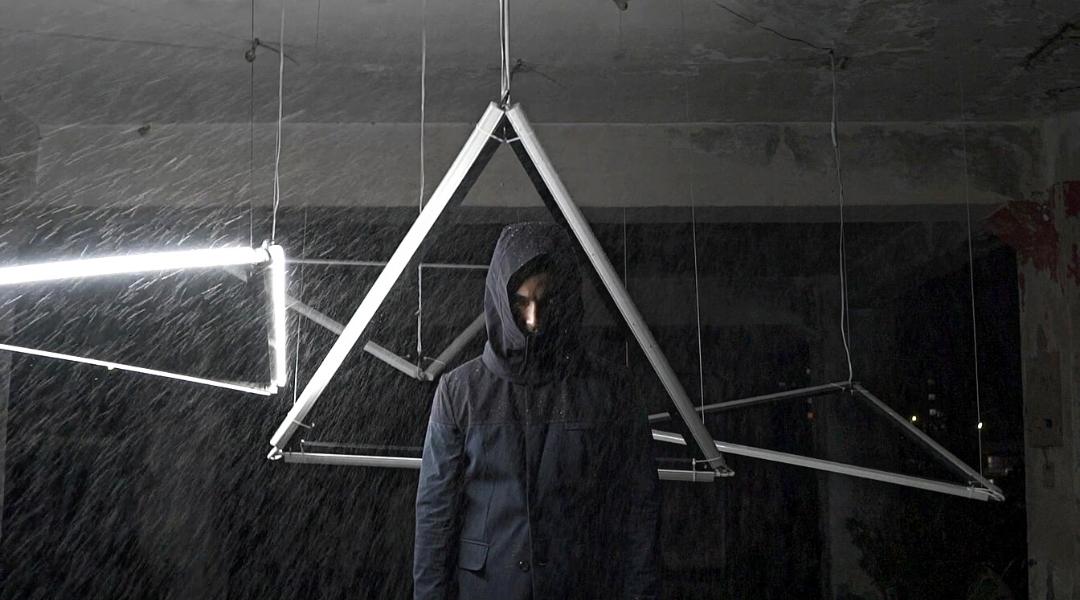
After several days of torrential rain, with periods of on-and-off showers, some have asked: "Why don't the water droplets slide off the surface of my jacket when it rains, and why does it even absorb the water? Does this mean my jacket is no longer waterproof?" This is likely because the DWR (Durable Water Repellent) effect on the outer fabric has weakened, meaning water no longer beads up and rolls off; however, the outer fabric absorbing water does not necessarily mean the inner waterproof membrane has failed. With so many waterproof products on the market, waterproof jackets are no longer exclusive to mountain climbing, camping, or hiking. Living in the city, we face the possibility of rain at any moment. Today, let’s take a look at the differences in various levels of waterproofing!
How to choose between waterproof and water-repellent? Look at the wearing context first.
Daily commuting, encountering light rain: Water-repellent clothing reduces surface water absorption, making it suitable for balancing a sleek look with daily activities. Continuous rain or snow activities: Prioritize the waterproof membrane, water pressure resistance, seam sealing, and moisture-permeability functions, then pair with insulation layers based on the intensity of the activity.
If you are looking for a rain-proof outer layer, you can learn about layering combinations from the Alpine/DuoLayer Series; for functional clothing that can be worn for commuting and formal occasions, check out the Tech Formal functional suit series. Each item uses different materials and functions, so you can check the product specifications directly on the product page when purchasing.
Water Repellent
 TRANZEND Ultra Suit 1.0
Also known as "water-resistant" or "splash-proof," this refers to the hydrophobicity of the fabric. A chemical coating is usually applied to the surface of the garment so that the surface tension of the fabric is lower than the cohesive force of water. When raindrops or moisture come into contact with the outer fabric, they form beads and roll off. This method is called DWR (Durable Water Repellent) treatment. Fabric treated with DWR is not truly waterproof; it only reduces the possibility of the fabric absorbing moisture. If moisture remains on the surface for a long time, it will still penetrate.

However, fabric treated with DWR is not permanent, and the water pressure it can withstand is limited. The water-repellent layer on the fabric will gradually weaken with washing, wear and tear, and prolonged use. Especially when the fabric structure is washed by a strong stream of water, moisture remains on the fabric for too long, or it is covered/penetrated by oil stains, the functionality of the water-repellent treatment will be greatly reduced and eventually fail. This is the reason behind the situation mentioned in the introduction: "Why don't the water droplets slide off the surface of my jacket, and why does it even absorb the water?"
Waterproof
 (Ultra Suit 1.0)
 Next is waterproof, where the focus is on the fabric's ability to resist water penetration. Waterproof and breathable fabrics achieve excellent waterproof performance through weaving techniques, materials, and additives. These are generally divided into two types: Coating and Lamination. Coating refers to a layer applied to the fabric, while lamination involves bonding a waterproof membrane to the back. Most commercially available waterproof models are produced using the lamination (membrane) method, bonding a waterproof membrane to the outer fabric through a lamination process to form a composite fabric. (Ultra Coat's outer layer is treated with DWR, and the middle layer is the AIRMEM™ nano eco-friendly coffee waterproof membrane, with a water pressure resistance of up to 15,000mm, providing highly efficient wind and rain protection while maintaining high breathability.)
The outer fabric of a waterproof jacket is usually also treated with DWR. When the water-repellent effect weakens, the outer fabric may absorb water and become damp, but the inner waterproof membrane can still normally block rain. To judge the protective effect of the entire jacket, one must also look at seams, zippers, openings, and wearing conditions; moisture inside the garment can also come from sweat and condensation, so it cannot be judged solely by whether water beads form on the surface.
Water Pressure Resistance (mmH2O)
 (The fabric water pressure resistance for the historic model Ultra Suit 1.0 is 15,000 mm; this data does not apply to other generations or models.)
Water pressure resistance is often expressed in millimeters of water column (mmH₂O). "mm" is a unit of height, not square millimeters. 15,000 mm is equivalent to the pressure generated by a 15-meter water column. Under the same test methods and conditions, the higher the value, the higher the water pressure the fabric can withstand. This is a result of fabric testing; the actual protection of the entire garment also relates to its seams and structure.
For test methods, refer to: ISO 811 Hydrostatic Pressure Test, ISO 4920 Surface Wetting Test, AATCC TM22/TM127.
Conclusion
Can you now tell the difference between "waterproof" and "water-repellent"? The waterproof membrane is responsible for resisting water penetration, while DWR helps water beads slide off the outer fabric; they work together. Water-repellent effects are affected by dirt, washing, and wear, and waterproof structures also require proper care. Please clean according to the garment's wash label first, then judge whether it is suitable to reapply a water-repellent treatment based on the care instructions for that model; do not treat all functional jackets with the same spray or heating method.
Thank you all for reading! I wonder if anyone else, like our editor, stops carrying an umbrella once they have a waterproof jacket, thinking it looks cool not to use one in the rain XD. Welcome to comment below and compete!
Explore current collections: Alpine/DuoLayer Protection & Warmth Layering・Tech Formal Functional Suits・Urban Tech Wear
TRANZEND
Facebook:Tranzend Taiwan
Instagram:tranzend_taiwan
Email: sales@tranzend.co.uk


@黃仁達 Ultra Coat 的外層為DWR防潑水處理,雨勢稍大的話可能沒辦法抵擋,但中層有防水膜做阻隔,裡層照理說是不會濕掉的哦~有可能是因為外套外面溼了,導致裡面潮濕、溫熱的汗水穿透出外層的速率變低,導致濕氣凝結在衣袖的內層。
是啊,第一次穿全境溫控風雨衣出門,不撐傘但並非豪大雨下,最明顯的狀況是兩袖裏外全濕,黏在身上出乎意料之外,戶外的適用性大打折扣。
Leave a comment